Mold Removal in Grapevine, TX
Grapevine lies northwest of Irving across the top of DFW Airport, in Tarrant County, where the Corps of Engineers dammed Denton Creek in the early 1950s to make Grapevine Lake. The town's Main Street dates to the 1880s, but most of its houses were built between the 1970s and the 1990s, brick on slab, with the air handler in the attic and a two-car garage holding the water heater.
Grapevine mold calls split between the attic and the slab. The attic unit overflows in a July heat wave and stains a bedroom ceiling. A water heater in its twelfth year weeps into the garage wall and the hallway on the other side of it. A spring hailstorm cracks shingles that still look whole, and the decking under them stays damp all summer. All three happen in a sealed, cooled house where the wet material will not dry on its own.
Grapevine homeowners who call this number are put through to one independent local provider who handles mold removal and remediation in the Mid-Cities. That company meters the house and explains the scope; the work and the agreement are theirs.
Grapevine mold removal under a hail-cracked roof and behind a garage water heater
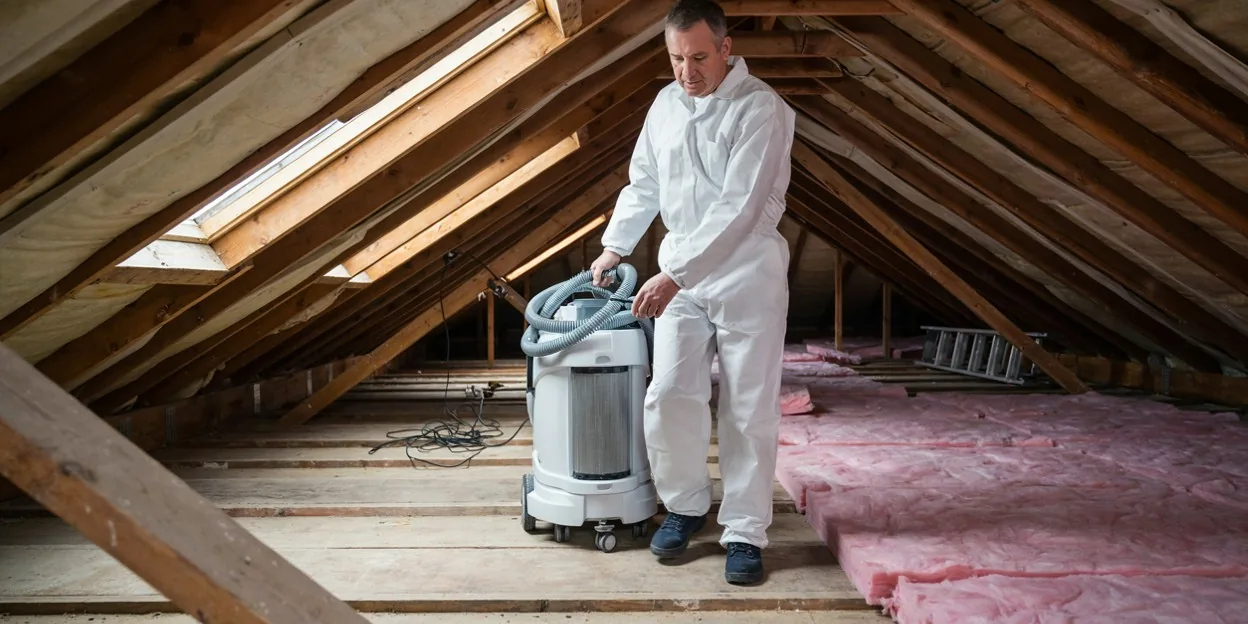
Streaked decking and damp insulation after a hailstorm are attic mold remediation. A soft hallway baseboard that shares a wall with the water heater is mold removal. A musty smell every time the system cycles on is HVAC mold cleaning.
The lake, the Corps, and the city that grew up beside both
Grapevine Lake is run by the Fort Worth District of the Corps of Engineers and supplies water to Dallas, among others. Any rebuild inside the city that touches plumbing or electrical gets its permit from the City of Grapevine, whose offices sit a few blocks from the historic Main Street.
Call (469) 652-8352 and describe the stain and the leak. We put you through to an independent local mold provider serving Grapevine.
Services Available in Grapevine
Mold Removal
Growth on drywall after a slab leak, a water heater, or a washer line: room sealed, wet board cut to the meter mark, framing HEPA-cleaned and dried.
Black Mold Removal
A dark patch handled by how far the water traveled, not by its color: containment, porous material out, hard surfaces cleaned, leak fixed first.
Whole-Home Mold Remediation
A slab leak or a burst pipe that ran through several rooms, mapped wall by wall and cleared in zones as one planned project.
HVAC Mold Cleaning
Coil, drain pan, and condensate line cleaned or replaced when the attic air handler sweats through a 100-degree August.
Bathroom Mold Removal
Growth behind a vanity, under a shower pan, or on a ceiling with no fan, removed after the supply or drain leak is fixed.
Attic Mold Remediation
Growth on roof decking under hail-cracked shingles or around a sweating duct, cleaned and treated once the roof and insulation are handled.
Mold Odor Removal
A musty smell in a house that looks fine, traced to the wet pad under the floor or the cabinet back, then removed and treated.
Mold Damage Repair
Drywall, texture, baseboard, and cabinet bottoms put back after removal, once the slab reads dry and the leak is repaired.